Flat Roof Replacement in Montebello from $6. Low slope over additions, garages and conversions -- and the one Title 24 rule with no exemption. Free inspection and a written quote.
Low slope over small apartment blocks is the core job here, and the pattern is consistent: ponding at the low corner, a scupper blocked long enough to leave a tide mark, and a parapet coping that has opened up. All three get scoped together or the leak reappears somewhere new.
There is more low slope per property here than in most of the valley, because there are more added-on structures. Rear additions, converted garages, carport roofs and patio covers are all low slope, and all of them shed water slowly enough to depend on the drainage working rather than on gravity.


Low slope is priced by the square foot -- about $6 to $18 depending on the system -- and where the substrate is sound and dry a coating at $2.50 to $7.00 per square foot is often the honest cheaper answer. What decides which you need is not the membrane. It is whether the water leaves. On a small apartment block the roof is the easy part. Resident notice, parking displacement, staging and a sequence that never leaves an occupied unit open overnight are what decide the cost, and a quote that mentions none of them has not thought about the building.
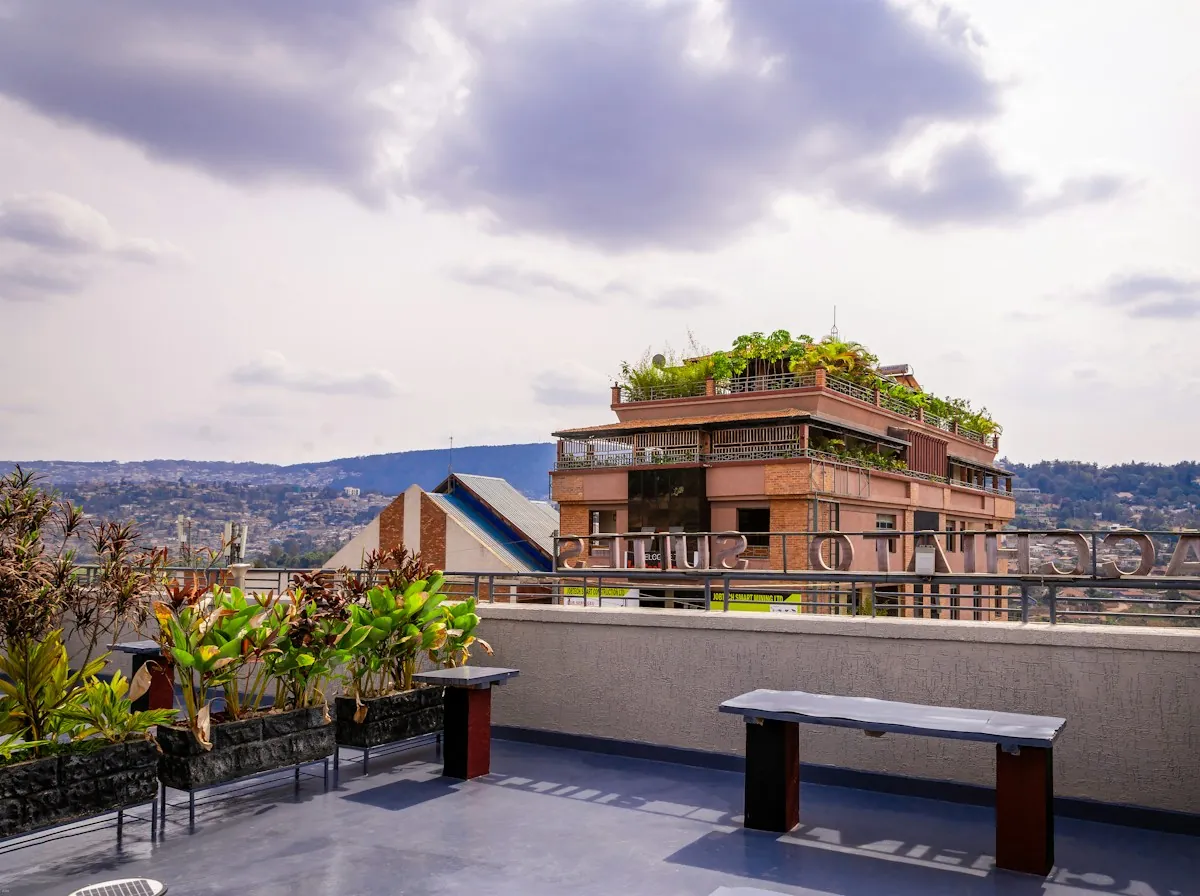
Water still standing 48 hours after rain means the fall is wrong or the outlet is not working. Re-covering over that buys a few seasons and the same phone call. Rebuilding fall costs more and ends it.
Plant, curbs and ducting on a commercial roof -- every one a detail to be re-flashed, with the membrane the smaller half of the cost. Parapets and copings. And equipment that has to keep running while the work happens.
More outlet capacity than the original had. On a roof under trees that single line is the difference between a membrane that lasts its life and one that sits in a pond every winter.
The multi-family share is what makes Montebello different from the rest of this list. On a two-to-eight unit building the constraint is never the covering -- it is staging, resident notice, parking displacement and a sequence that never leaves an occupied unit under an open roof overnight.
Worth knowing before you start ringing round, and worth building into anything that has a date attached to it.
Roofs here fail quietly through a long dry summer -- heat and ultraviolet working on the covering, granules washing into the gutter, laps loosening -- and then leak all at once in the first serious storm of the winter. Every roofer in the San Gabriel Valley takes those calls on the same three nights, which is why a replacement booked in September costs less and starts sooner than the identical job booked in February.
The typical Montebello replacement is as likely to be a small apartment block as a house, and on those the roof is the easy part.
On a multi-family parcel an accessory conversion sits alongside existing tenants, which makes notice and access part of the job rather than a courtesy.
On a multi-unit building a relay has to be staged rather than stripped, because there is nowhere to put the tile and no acceptable way to leave occupied units under an open roof.
A lot of Montebello multi-family is two systems on one building: a shingled street-facing pitch and low slope behind it where nobody looks.
On a multi-building site partial means by building rather than by slope: worst roof first, the rest scheduled.
Oldest settlement in the valley. Rarely one roof.
A different city, with a different department.
Room to work, which makes a tile relay cheaper.
Same stock, more space, its own conversion rules.
Mature canopy. Debris in every valley.
Old stock and skip sheathing. Check the deck.
Hillside split levels and short low-slope links.
The questions this job turns on, answered up front.
Water still sitting 48 hours after rain means the fall is wrong or the outlet is not working. It is not an emergency this week, but it is what turns a membrane job into a deck replacement if it is left for a couple of winters.
If the substrate is sound and dry, yes -- $2.50 to $7.00 per square foot, and it is often the right answer. If it is not sound, a coating seals the moisture in and buys about a year. We establish which you have before quoting either, and we will tell you when the cheaper option is the correct one.
No. The inspection is free, it covers every structure on the parcel rather than the one you rang about, the written quote is free, and neither carries an obligation. What we will not do is give you a number at the curb without going up.
A house in Los Angeles County is estimated at $10,000 to $25,000 for most jobs. Composition runs $7 to $11 per square foot locally against about $4 nationally, which is why online calculators read low. The inspection is free and the quote is written, because pitch, access, covering and what the old roof was hiding all move it.
You can, and on a parcel with several structures it is often the right answer, because each structure has its own 50% test. What nobody volunteers is that the fixed costs -- permit, mobilization, waste, a crew day -- do not shrink. Phasing one house roof over two years usually costs more than doing it once.
Free inspection -- house, garage, addition and patio cover, not just the one. A written quote against a written scope, itemized by structure.