Shingle Roof Replacement in Rosemead from $7. Composition on a century of different decks. Free inspection and a written quote.
Post-war Rosemead housing is consistent enough that a neighbor's experience is a reasonable guide, which is not true four miles east where the building eras are mixed. Ask what was found on the house next door when it was done -- the deck is likely the same.
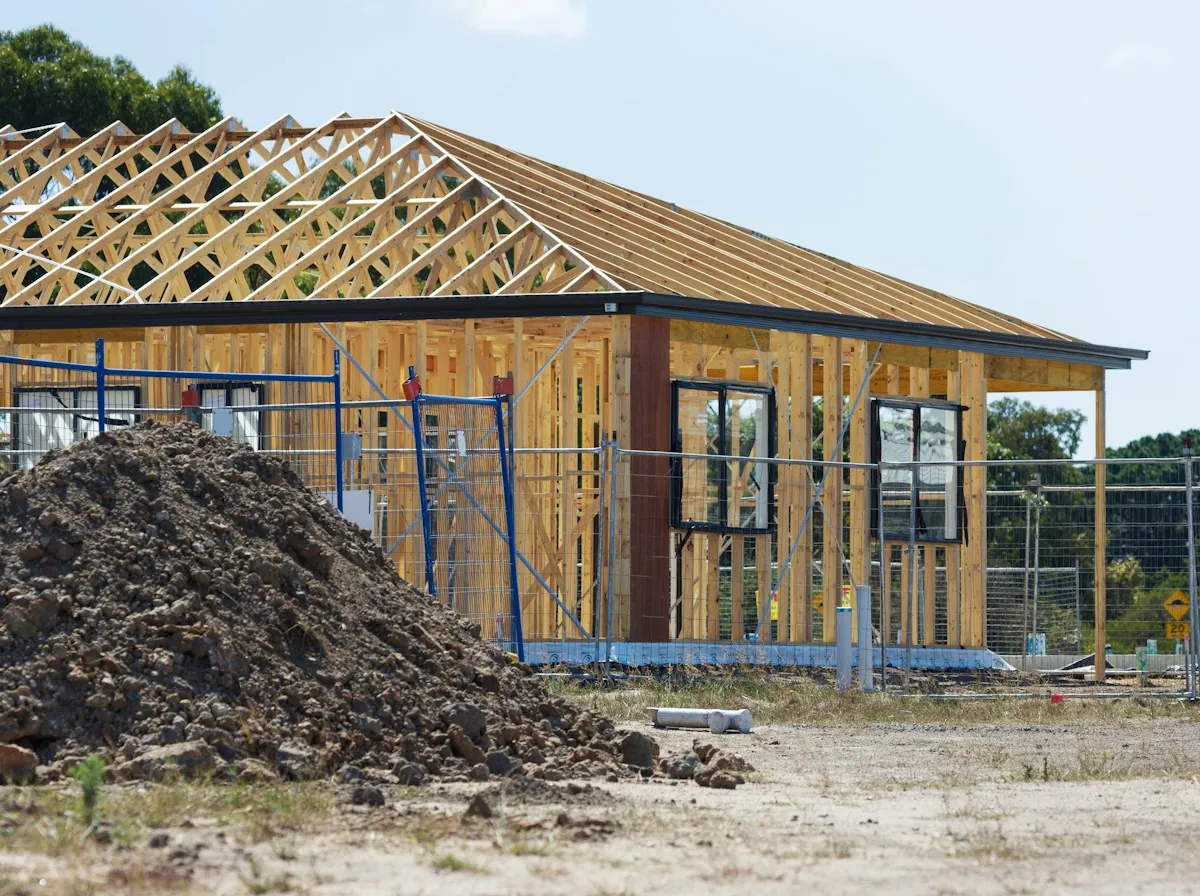
The variable that decides a shingle price here is what is under it. On the oldest El Monte stock the deck can be skip sheathing -- spaced boards laid for wood shake -- which a modern covering cannot be nailed into reliably and which has to be overlaid or replaced first. On a post-war bungalow it is board sheathing, and on recent infill it is plywood.


Composition runs $7 to $11 per square foot in Los Angeles County against roughly $4 nationally, which is why an online calculator never matches a local quote. On the housing here the number that actually moves it is what the old covering is sitting on, and there are three possible answers in this city depending on when the house was built. Similar housing to El Monte on generally more generous lots, so labor sits at the lower end of these ranges. The permit is City of Rosemead, and a neighbor's experience is a reasonable guide here in a way it is not four miles east, because the stock is consistent.
Skip sheathing on the earliest stock, board sheathing on the post-war bungalows, plywood on recent infill. Only the third takes a modern covering without being overlaid first, and none of them is visible from the street.
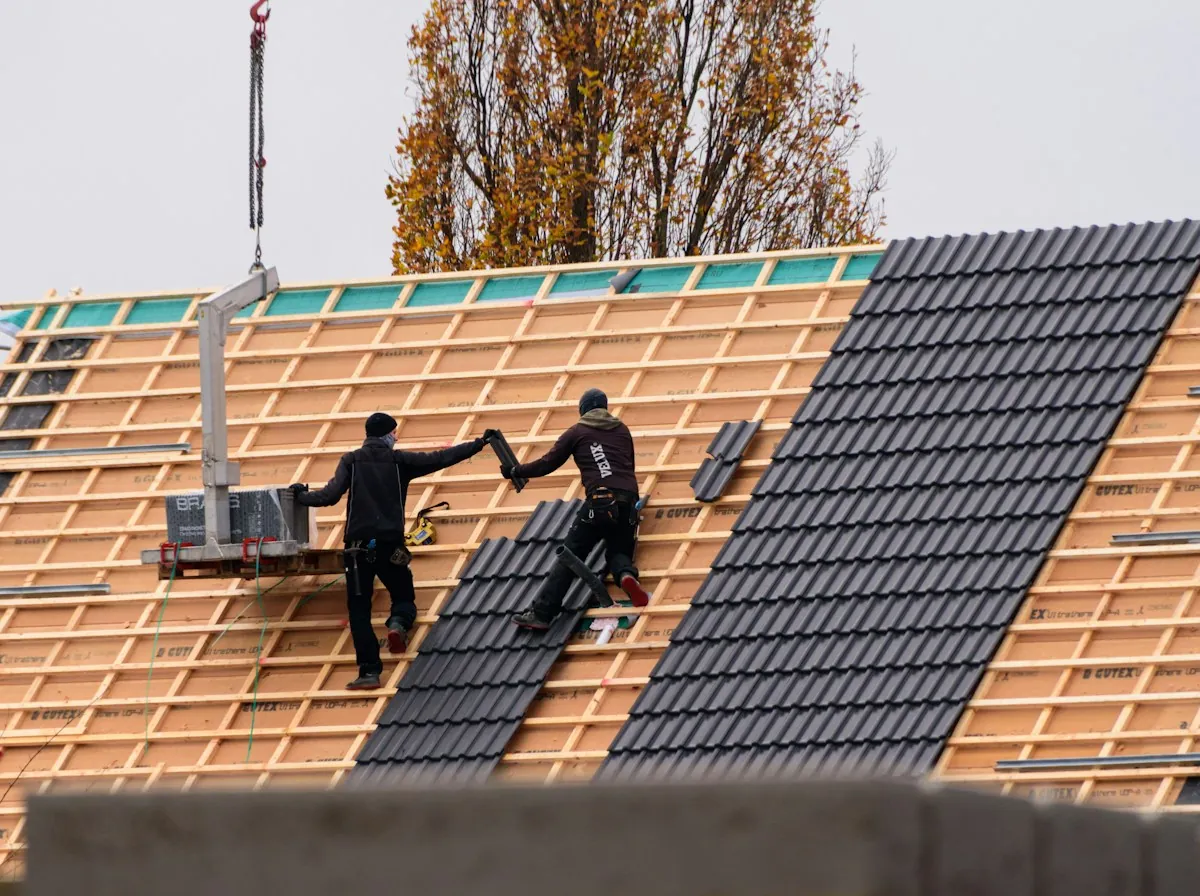
Two coverings is the practical ceiling. If you are already at two, the next job is a tear-off whatever anybody quotes -- so a cheap overlay price on a twice-covered roof is not a price, it is a misunderstanding.
A simple gable, room to get a conveyor to the roof, and a deck that needs nothing. On a straightforward valley-floor house this is the most predictable job on the list.
Similar stock and similar age to El Monte, so similar failures -- but the lots are generally a little more generous, which changes the logistics rather than the roofing. Permits are City of Rosemead, and the conversion rules differ in detail from El Monte's even though the state law underneath them is the same.
On most parcels here there is more than one answer, and the expensive mistake is replacing the wrong one.
Look away from the leak. If the covering across the rest of the slope still has granules, still lies flat and is not brittle, that roof has life in it. A failed flashing, a split upstand or a slipped course is a repair costing hundreds -- and each is routinely presented as proof the whole roof is done.
A tile roof quoted at $30,000 to $60,000 for replacement is very often an $8,000 to $22,000 lift and relay, because the tile is fine and only the felt beneath it has failed.
In a converted garage, damp that is worse in dry weather is condensation, not a leak -- a room built under a roof that was never insulated or ventilated. Replacing that roof without fixing that is money spent on the wrong problem.
Similar stock and similar age to El Monte, but on generally more generous lots, so the logistics are easier and the roofing is the same.
Rosemead runs its own conversion process under the same state law, so the timelines and the paperwork differ in detail from El Monte's.
More generous lots make staging straightforward, so the relay here runs the way it is supposed to.
Same pattern as El Monte -- additions, garages and patio covers -- with slightly more room to rebuild fall properly rather than re-covering a marginal slope.
The argument against phasing in Rosemead is the same as everywhere and worth stating plainly: mobilization costs much the same whether you do one structure or three.
Oldest settlement in the valley. Rarely one roof.
A different city, with a different department.
Room to work, which makes a tile relay cheaper.
Mature canopy. Debris in every valley.
Old stock and skip sheathing. Check the deck.
Hillside split levels and short low-slope links.
Small apartment blocks and the logistics they bring.
The questions this job turns on, answered up front.
Because the calculator is national. Composition is about $8.50 per square foot here against roughly $4 nationally. A local quote that does match a national average is usually missing the tear-off, the sheathing allowance, or both.
Be careful what that is telling you. Composition here tends to finish across a whole slope at once rather than in patches, so a bald section usually means the slope is done rather than damaged. We will tell you which one you have instead of selling a patch that fails.
Usually yes, and not for the reason people expect. A garage roof has no insulation and minimal ventilation because neither mattered over a car. Put a bedroom under it and you get condensation that behaves exactly like a leak. Doing it before the ceiling is lined is much cheaper than after.
Re-roofing is permitted work and we pull it. Which city matters more here than almost anywhere: El Monte and South El Monte are separate incorporated cities with separate building departments, and an application on the wrong desk costs a week. The inspection that comes with the permit is your independent check that the specification you paid for is what went on.
Two to four days per structure once it starts: tear-off and dry-in on day one, covering after. Tile takes longer than composition, and a sectional relay on a tight lot longer again. Weather moves it, and we will not dry-in a roof we cannot finish.
Free inspection -- house, garage, addition and patio cover, not just the one. A written quote against a written scope, itemized by structure.